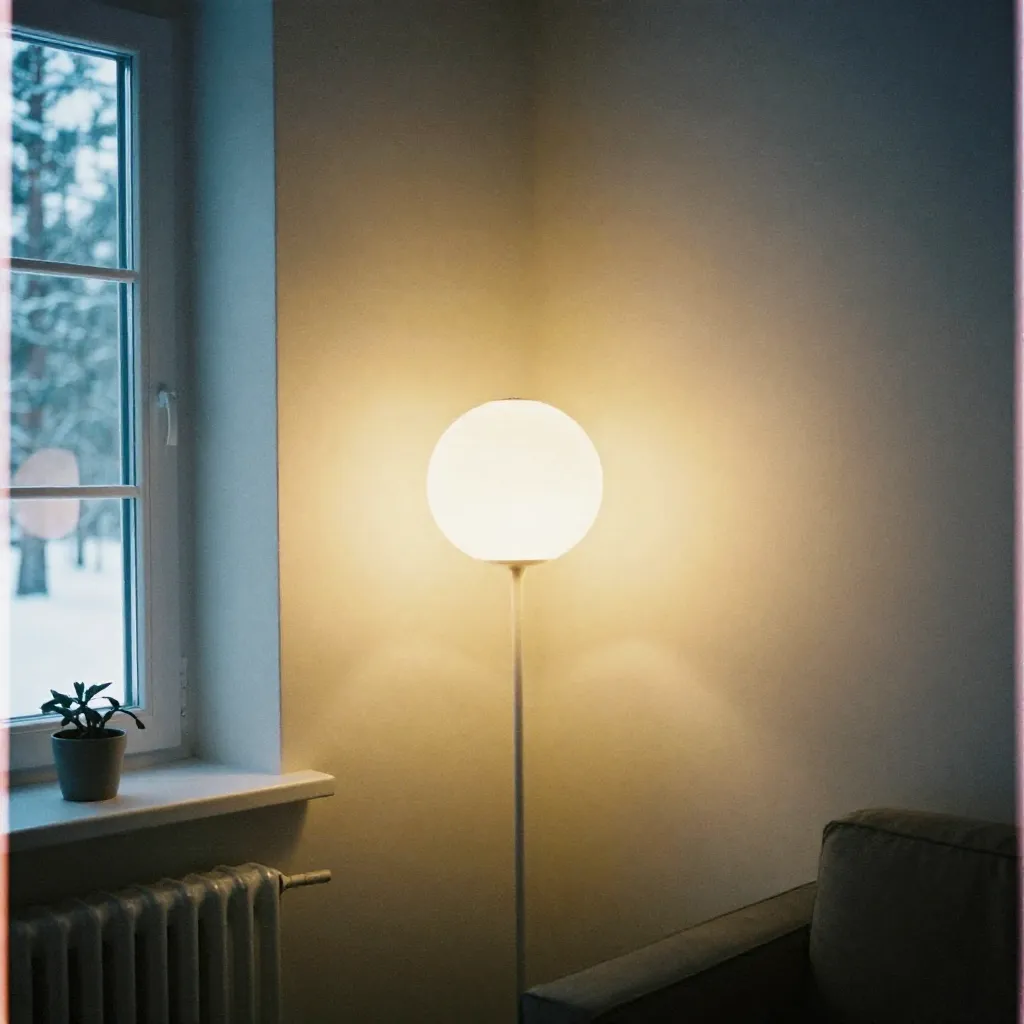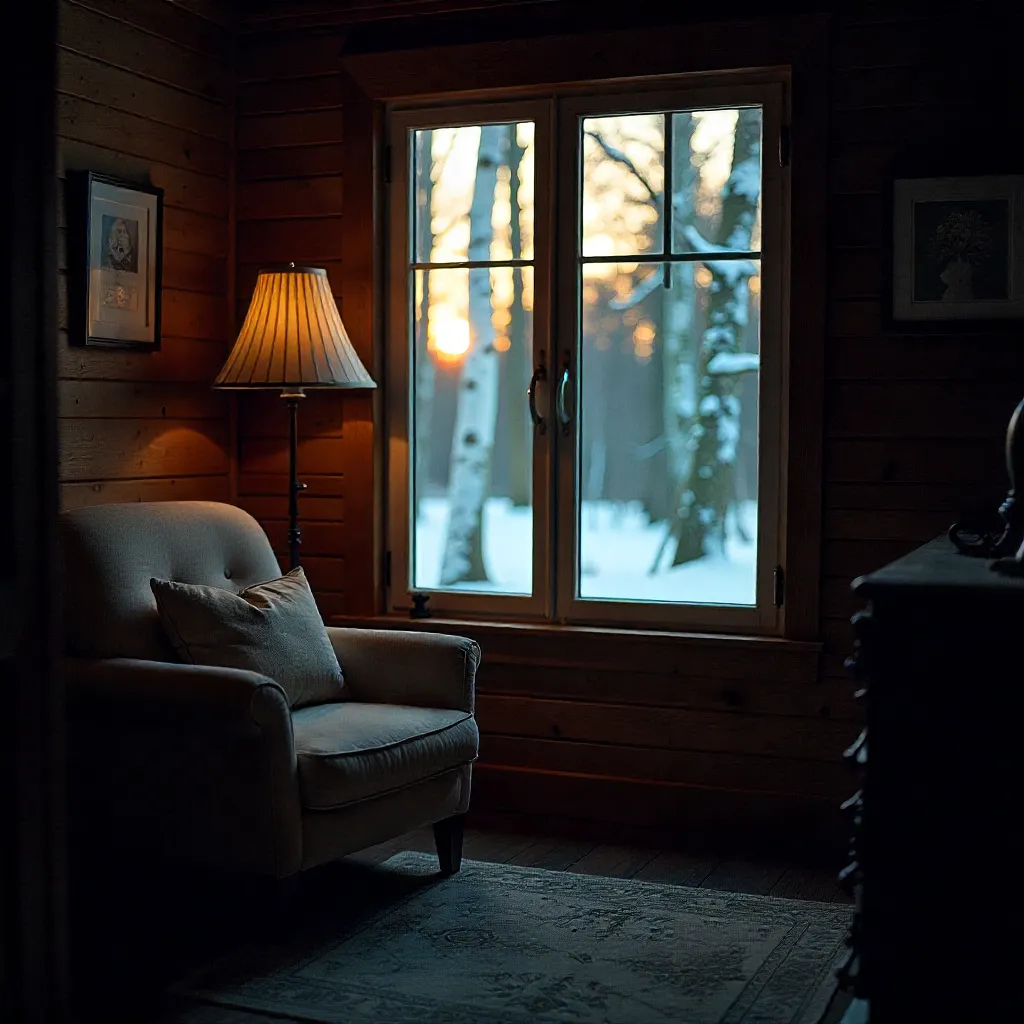
Visibility Light vs Biological Light
Visibility Light
Traditional lighting focuses on making objects visible to the human eye. This approach prioritizes brightness and color rendering for visual tasks, but may not consider biological effects.
Most conventional lighting systems are designed primarily for visibility, ensuring you can see clearly but potentially disrupting natural rhythms.
Biological Light
Biological light considers how different wavelengths interact with specialized cells in the eye that communicate directly with the brain's circadian center.
These non-visual photoreceptors respond to specific light spectra, influencing hormone production, sleep patterns, and energy levels throughout the day.

How Light Affects Your Body
Morning Light
Cooler, blue-rich light in the morning signals your body to suppress melatonin production and increase cortisol, helping you wake up naturally and feel alert.
Daytime Light
Full-spectrum light during the day supports sustained energy, focus, and cognitive performance by maintaining proper circadian alignment.
Evening Light
Warmer, red-shifted light in the evening allows melatonin production to begin, preparing your body for rest and supporting quality sleep.