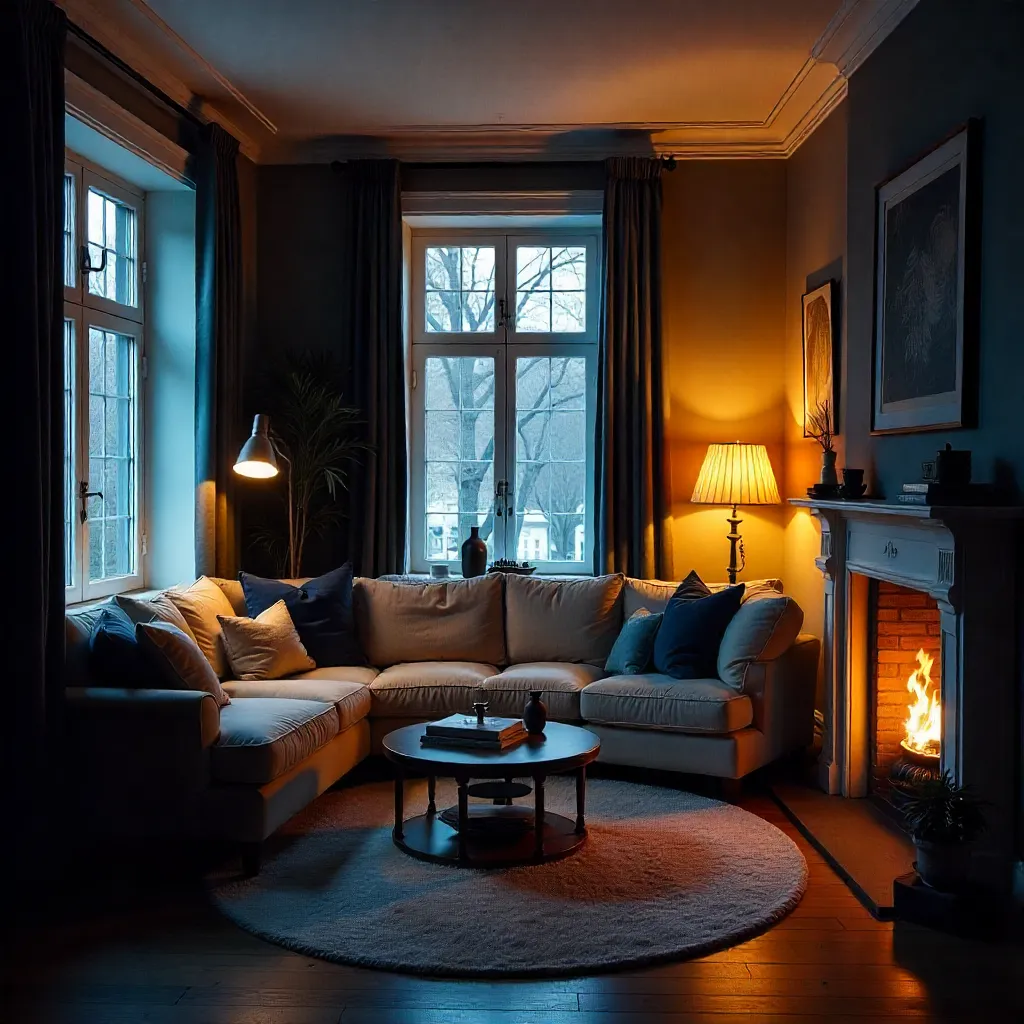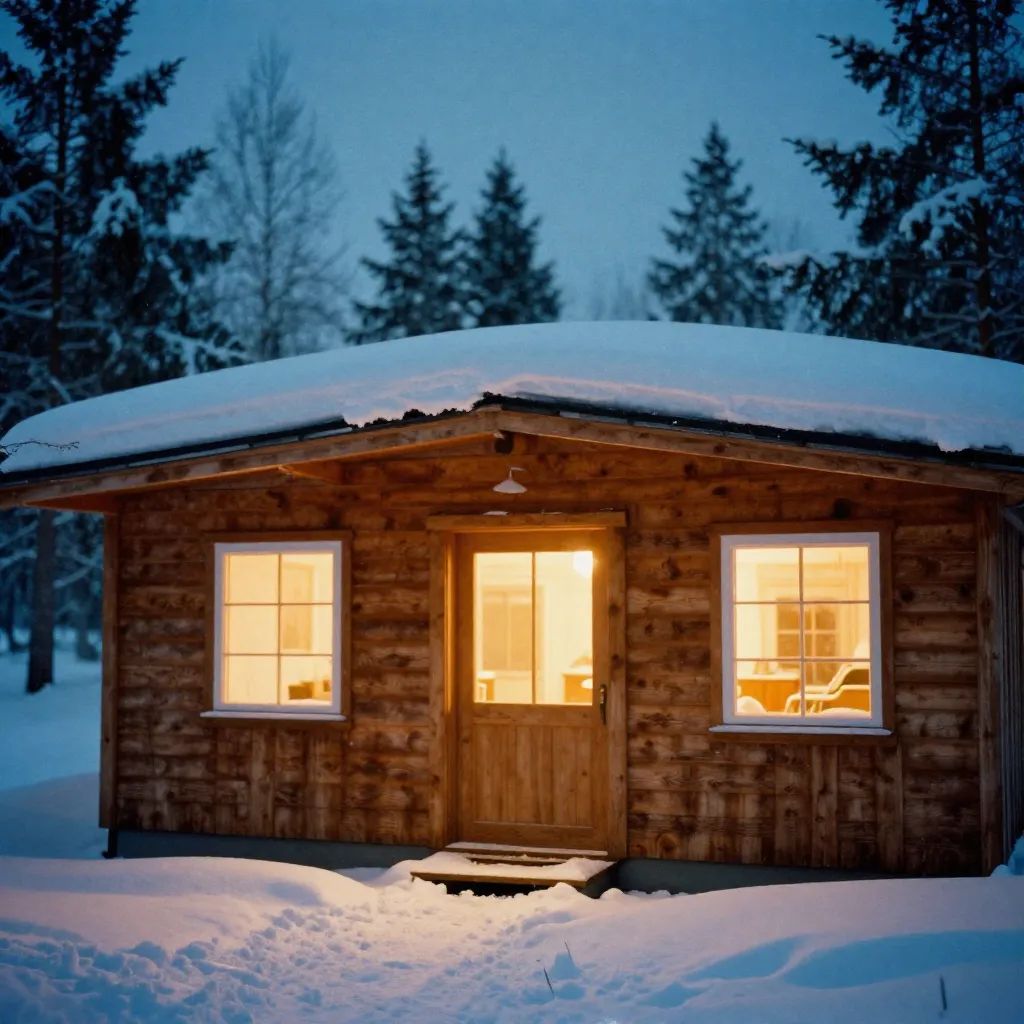
Room Setup Scenarios
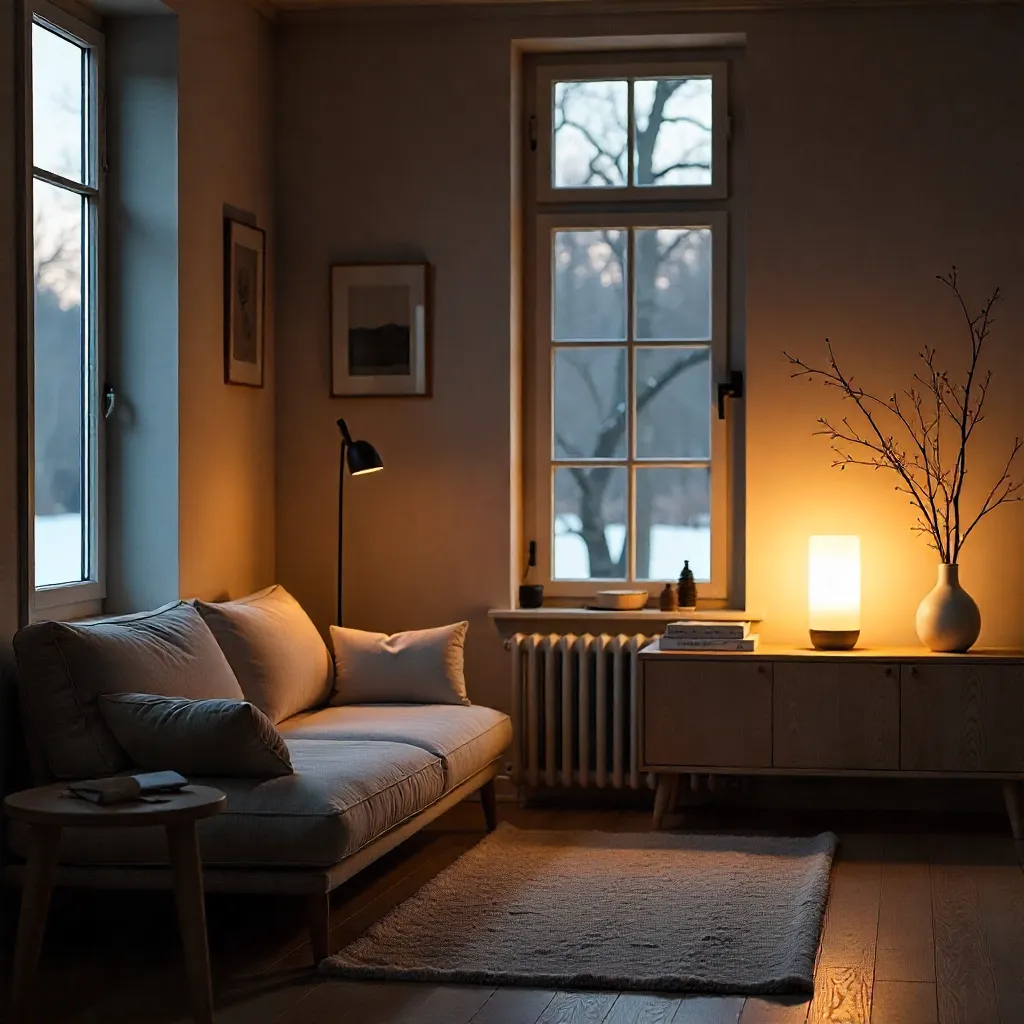
Morning Awakening
Gradual light increase system designed to support natural wake cycles. This configuration helps transition from sleep to alertness.
Light Recipe:
- Start with 2200K warm light at 10% intensity
- Gradually increase to 5000K over 30 minutes
- Place primary source above eye level
- Use indirect lighting to avoid glare
- Maintain consistent schedule daily
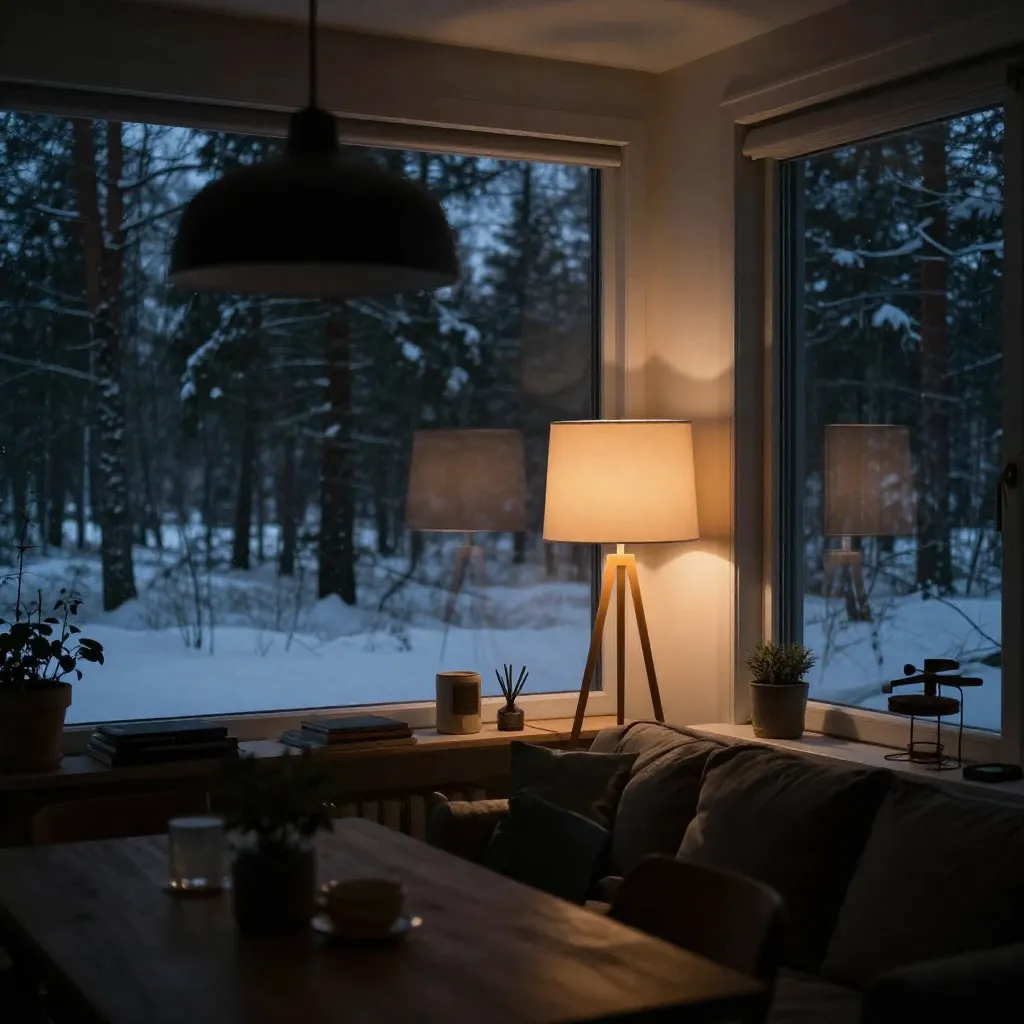
Focus Workspace
Optimized lighting for productivity and concentration during daylight hours. Supports sustained mental performance.
Light Recipe:
- Maintain 5000-6500K cool white light
- Set intensity to 70-80% of maximum
- Position task lighting at 45-degree angle
- Include ambient fill to reduce contrast
- Take breaks every 90 minutes
Evening Wind-Down
Warm, low-intensity lighting to support relaxation and prepare for rest. Minimizes blue light exposure before sleep.
Light Recipe:
- Transition to 2200-2700K warm light
- Reduce intensity to 20-30%
- Use floor and table lamps for indirect glow
- Avoid overhead bright sources
- Begin transition 2 hours before sleep
Midday Balance
Balanced lighting for general activities throughout the day. Maintains circadian alignment without overstimulation.
Light Recipe:
- Use 4000-5000K neutral white
- Maintain 50-60% intensity
- Distribute light evenly across space
- Combine overhead and task lighting
- Adjust based on natural light availability
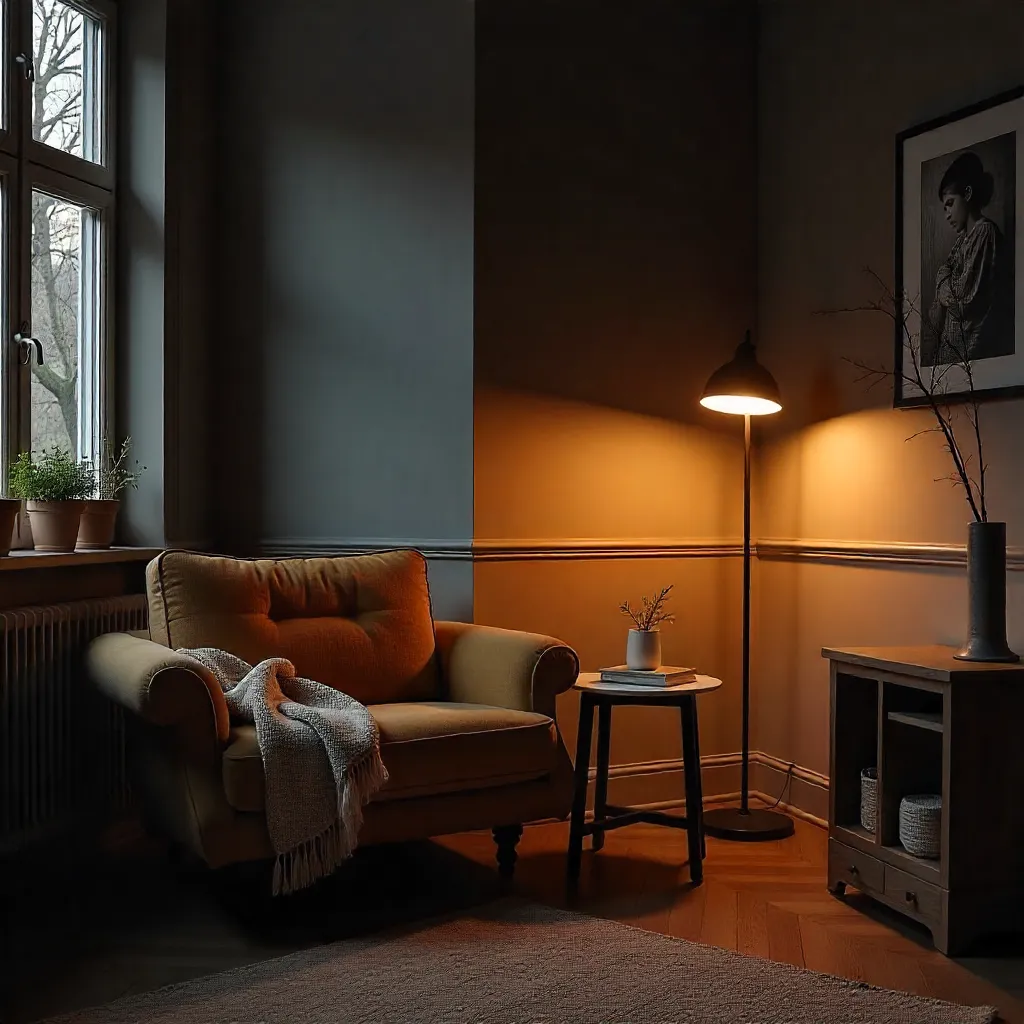
Reading Nook
Focused illumination for comfortable reading while maintaining appropriate color temperature for the time of day.
Light Recipe:
- Use adjustable color temperature fixture
- Match temperature to time of day
- Position light source behind shoulder
- Ensure even illumination on reading surface
- Avoid shadows and glare
Social Gathering
Warm ambient lighting that creates a welcoming atmosphere while supporting natural evening rhythms.
Light Recipe:
- Use 2700-3000K warm white
- Set to 40-50% intensity
- Create multiple light sources for depth
- Use dimmers for flexibility
- Focus on indirect and accent lighting